

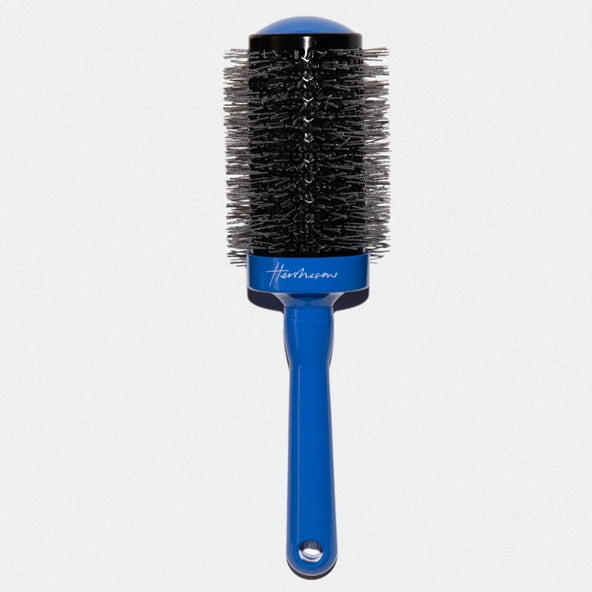
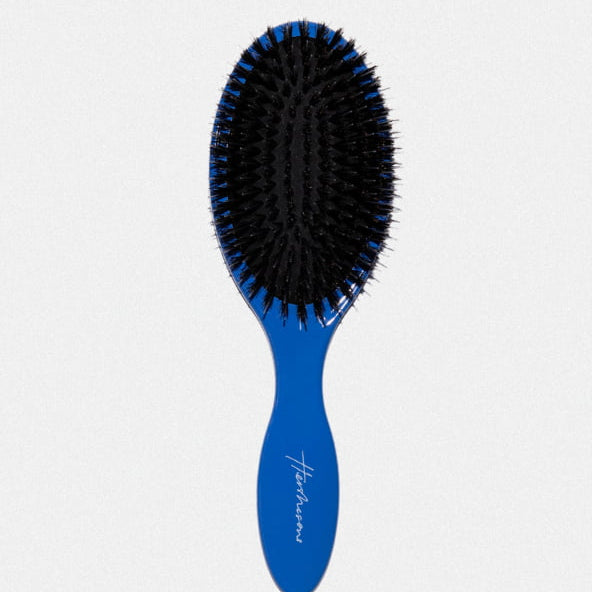
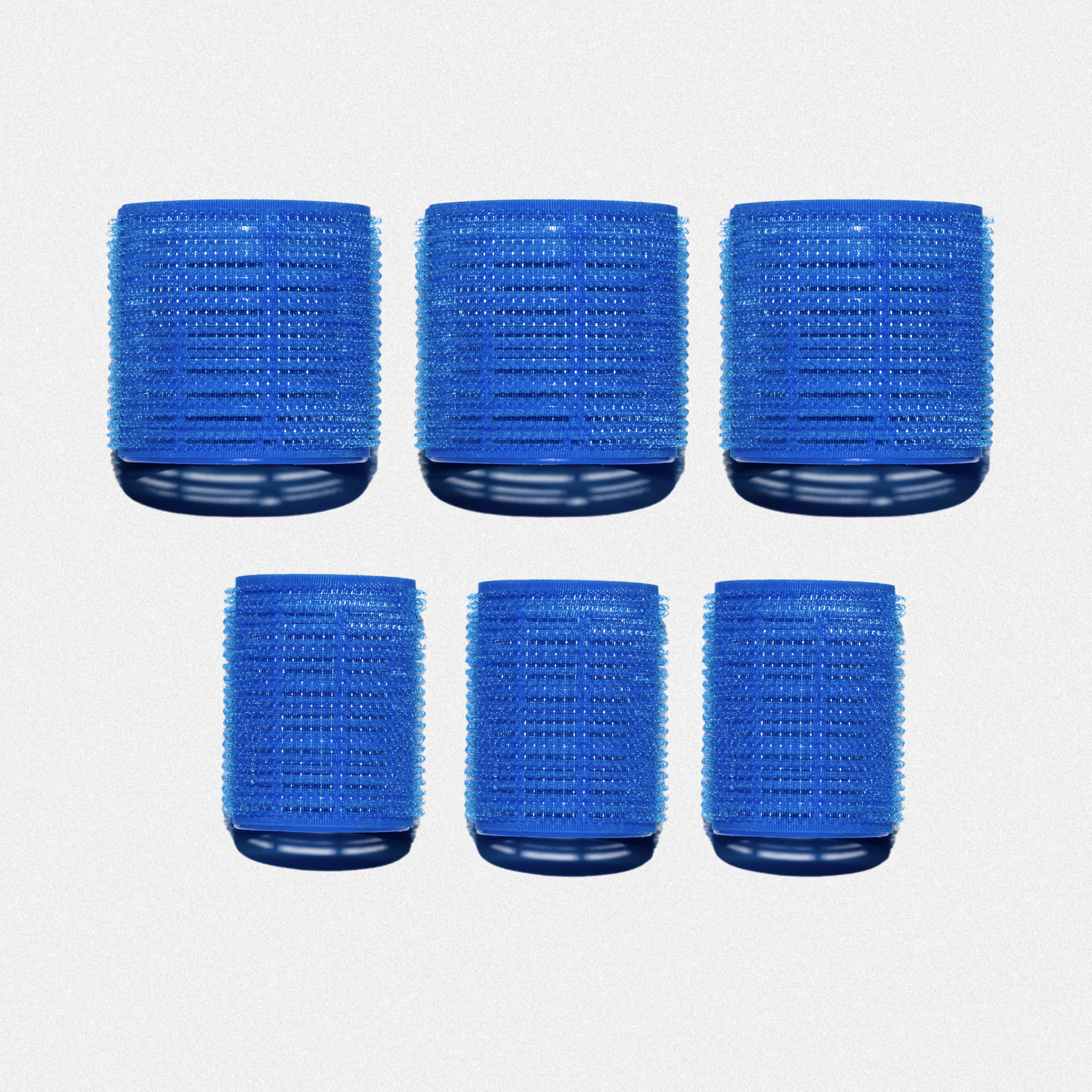



5 Blow-Dry Tricks That Make Your Style Last Longer
There’s nothing more annoying than spending time on a blow-dry, only for it to have fallen flat, frizzed up or lost its shape by lunchtime. The good news? A few small changes to how you...



There's a certain confidence that comes with embracing your natural hair colour. It's low maintenance, it grows out beautifully and there's something cool about wearing what you were born with. But natural doesn't always mean most flattering. The best colour for you might be exactly what's already on your head or it might be a version of it, just slightly enhanced.
The question isn't really "should I colour my hair?" It's "is my hair currently doing everything it could be doing for me?" Here's how to figure that out.
Your hair colour should work with your complexion, not against it. If your natural colour is leaving you looking a little washed out or tired, that's useful information. Warmer tones – think caramel, honey and golden brown – tend to bring life to fairer complexions, while cooler ashier shades can complement deeper skin tones beautifully. The goal isn't to follow a rule, but to notice whether your natural colour is lifting your face or flattening it.

Natural hair colour isn't static. It changes as we age – often becoming ashier, flatter or more uniform in tone than it was in earlier life. If your hair felt more vibrant ten years ago, that's not nostalgia talking. The dimension and variation that made it interesting may have gradually faded. In that case, colour isn't about changing who you are, it's about restoring what was already there.
One of the biggest misconceptions about colouring hair is that it has to be a big, visible move. Some of the most impactful colour work is barely detectable – a few face-framing highlights to add brightness, a gloss treatment to boost shine and depth, or subtle balayage that adds dimension without a hard line of regrowth to manage. If your natural colour is close to your best colour, a small adjustment is often all it takes.

This might sound vain, but it's actually a useful exercise. Does your hair look flat or one-dimensional in photos? Natural light has a way of revealing whether hair has depth and movement in its colour, or whether it reads as a single, unvaried block of tone. If it consistently looks dull on camera, a little colour work – even something as subtle as a gloss – could make a significant difference.
For some people, their natural colour genuinely is their best colour. If your hair has beautiful variation, a tone that works with your complexion and you're happy with how it looks, there's no reason to change it. The best hair decisions are always the ones made with confidence, not pressure. If you love what you have, the answer is simply to take care of it.
The most honest answer to whether your natural colour is your best colour will always come from a professional looking at your hair in person. A good colourist won't push you towards something you don't need – they'll tell you what they see and give you options. Book a colour consultation and go in with an open mind. You might leave with a whole new look, or simply the reassurance that what you've got is already perfect for your skin tone.

