




5 Blow-Dry Tricks That Make Your Style Last Longer
There’s nothing more annoying than spending time on a blow-dry, only for it to have fallen flat, frizzed up or lost its shape by lunchtime. The good news? A few small changes to how you...





There are few things quite as annoying than split ends. But while we’d always recommend a trim when your ends really need it, there’s plenty you can do yourself to keep them looking healthy, prevent further damage and eke out a little more time between salon appointments.
First, it helps to know why split ends happen. The ends are the oldest part of your hair – if your hair is long, they may have been hanging around for years – which means they’ve also endured the most wear and tear. Heat styling, bleach and colour, UV exposure, vigorous towel drying, brushing, tight hair ties and general day-to-day friction can all gradually damage the hair’s protective outer cuticle. Eventually, the fibre starts to fray and split.
The bad news? Once a hair has actually split, no product can permanently stick it back together. The good news is that you can smooth it, disguise the damage and, most importantly, stop it getting worse.
Here’s how.
Once you see a split end, there’s an almost irresistible urge to pull the two halves apart. Don't. Peeling a split end upwards only damages more of the hair shaft, turning a tiny split at the tip into a much bigger problem. Resist the urge to pull and leave it for your next trim. Your future hair will thank you.
If you really can't make it to the salon, hair dusting is a technique that removes individual damaged tips rather than taking length off the entire haircut. The important bit? You need proper, sharp hairdressing scissors – never kitchen, craft or nail scissors, which can leave a blunt, damaged edge that’s more likely to split again.
Work on dry, detangled hair in good light and take it slowly. Divide your hair into small sections and snip only the visibly split tip, rather than cutting into the length. Think millimetres, not centimetres. And know when to stop: dusting is useful for the odd rogue split, but it isn't a replacement for a proper haircut.
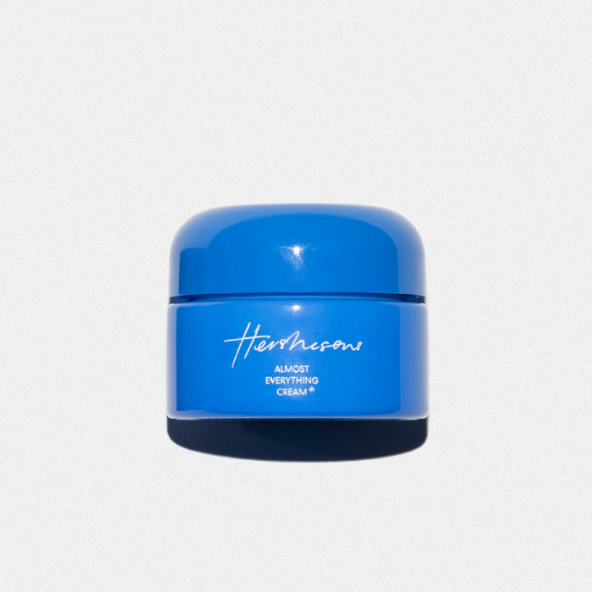
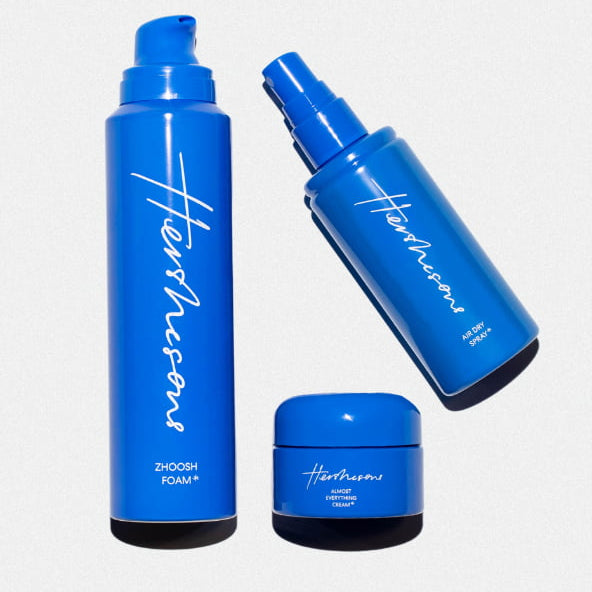
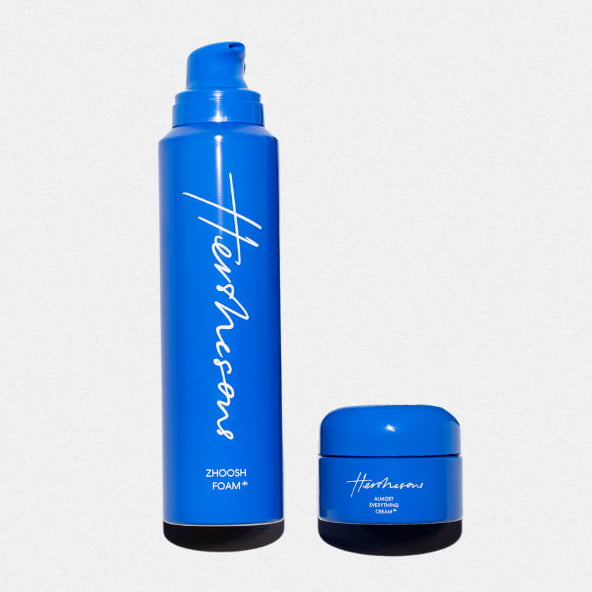
You can't permanently repair a split end, but you can make it look significantly better. This is where Almost Everything Cream comes in. Work a small amount through damp mid-lengths and ends, paying particular attention to the tips. It helps smooth the hair cuticle, tame frizz and make frazzled ends look more polished – without weighing hair down. On dry hair, use the tiniest amount over the ends as a finishing cream whenever they start looking fluffy or frayed. Less is more.
If your ends are already compromised, repeatedly clamping them between very hot straighteners or wrapping them around tongs isn't going to help. That doesn't mean giving up heat styling altogether. Use heat protection, turn the temperature down where you can and avoid repeatedly going over the same section. When creating waves with tongs, leave the last inch or two out. As well as protecting the oldest, most fragile part of your hair, it creates a cooler, more effortless finish we prefer anyway.
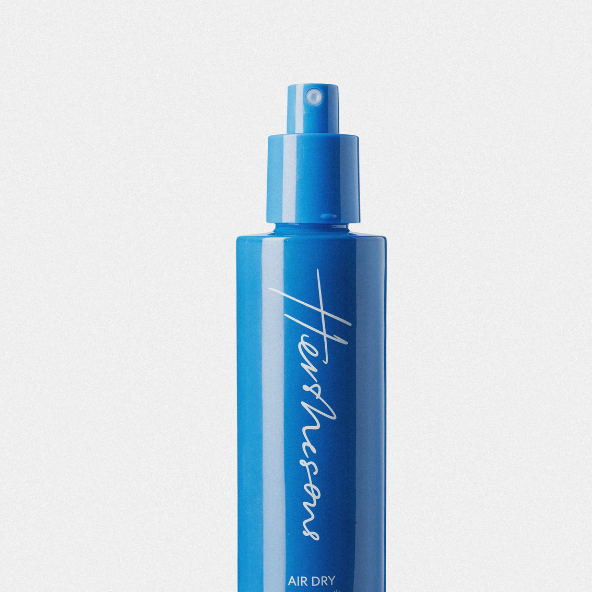
Alternatively, skip the heat entirely. Air Dry Spray is designed to help hair air dry with more texture and definition – minus the hot tools.

Wet hair needs a bit of TLC. Vigorous towel drying, pulling a brush through knots and generally manhandling it can create unnecessary friction and breakage. Instead, gently squeeze excess water out with a soft towel – no rubbing – and detangle carefully, starting at the ends and gradually working upwards. If there's a knot, don't yank through it. Apply Almost Everything Cream before brushing to add slip and make the whole process easier.

